Five Construction Trends Actually Changing Bangalore Homes
Not the trends that photograph well — the ones changing how homes are specified, costed and built across the city right now, and what each one means for your budget.
GEM Construction Editorial
/Updated 18 February 2026
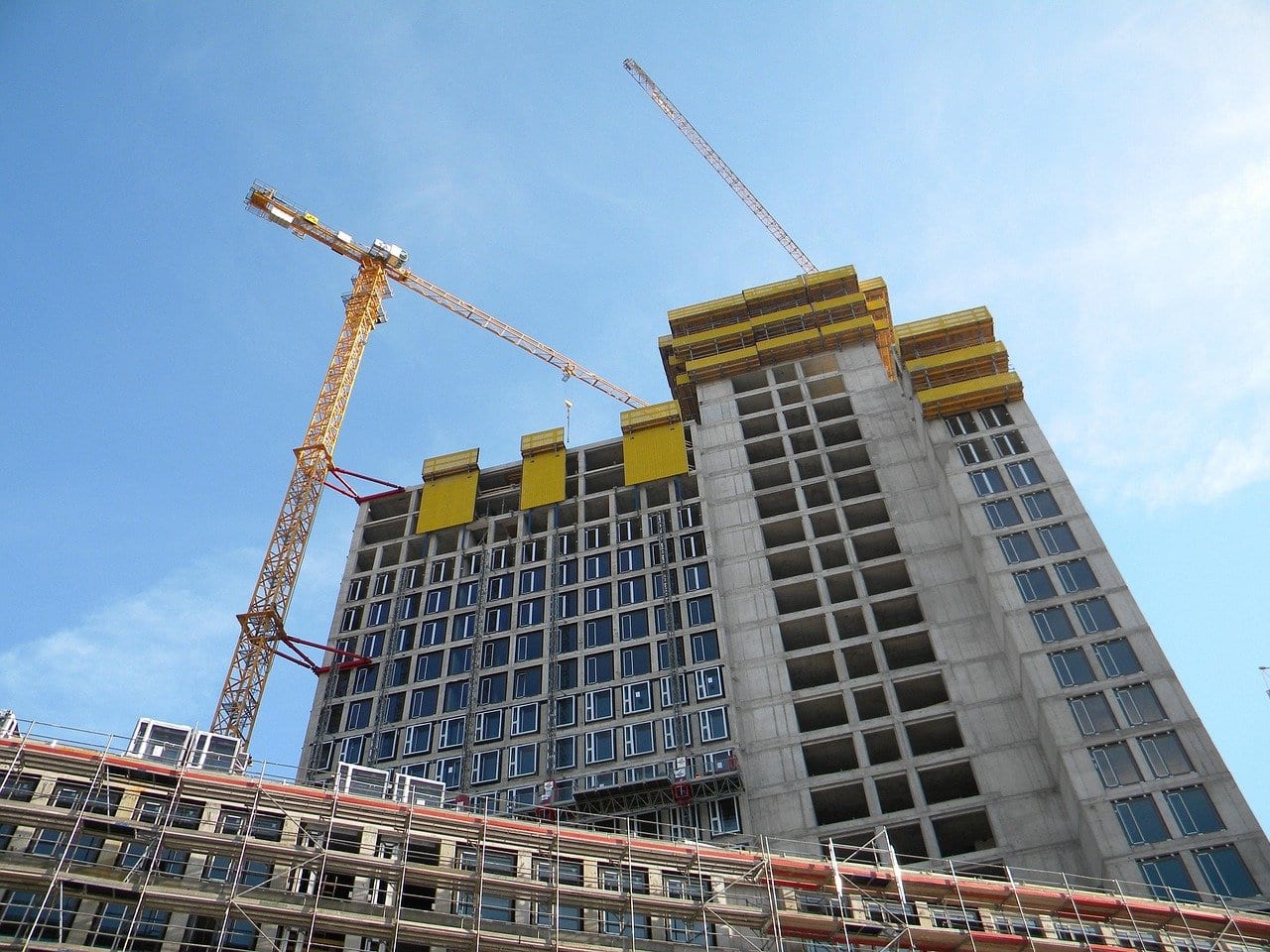
Most trend lists describe what looks good in photographs. These five are different: they are changing how homes get specified and costed across Bangalore, and each one has a real budget consequence.
1. Energy performance is being designed in, not bolted on
For years, "green building" in residential work meant solar panels added at the end. That is shifting. Homeowners are increasingly making envelope decisions early — AAC blockwork, meaningful roof insulation, double glazing on west elevations, deeper shading on the south-west — because these reduce cooling load permanently rather than just offsetting it.
Budget impact: roughly 4–7% added to the structural and envelope package, typically recovered in 5–8 years on running cost, and immediately in comfort.
2. The home office stopped being temporary
Hybrid work settled, and Bangalore floor plans have adjusted accordingly. What we are now specifying routinely, and were not five years ago:
- A genuinely acoustically separated room, not a repurposed corner — usually 100mm AAC with a solid-core door, which is enough to keep a call private.
- Structured network cabling to two or three points rather than relying entirely on Wi-Fi.
- A dedicated circuit with UPS provision and considered lighting — a window behind you is a video-call problem nobody thinks about until they are living with it.
Budget impact: modest, if planned at design stage. Expensive if retrofitted, because it becomes a wall-breaking exercise.
3. Modular and factory-finished components are taking over interiors
Kitchens and wardrobes have largely moved to factory production, and the reason is precision rather than fashion. A CNC-cut carcass has tolerances a site carpenter cannot reliably match, the finish is applied in controlled conditions, and the installation window shrinks from weeks to days.
Site carpentry still has its place — irregular geometry, stair panelling, anything that has to follow an existing building's inconsistencies. The best interior projects now use both deliberately rather than defaulting to one.
Budget impact: comparable to good site carpentry, with substantially better consistency and a shorter programme.
4. Water resilience is becoming standard specification
With Bengaluru's water situation, features that were considered optional a few years ago are now close to default in new residential work:
- Rainwater harvesting with proper recharge, integrated at foundation stage rather than retrofitted.
- Larger sump capacity than the minimum, because tanker dependency is now a planning assumption.
- Greywater reuse for landscaping on larger plots.
- Dual plumbing in some projects, separating potable from non-potable supply.
Budget impact: ₹1.5–3 lakh on a typical independent house if designed in from the start. Considerably more as a retrofit.
5. Material honesty replaced material imitation
The decade of laminate pretending to be marble is fading. What is replacing it is a preference for materials that read as themselves — exposed concrete finished properly, real stone in smaller quantities used deliberately, natural wood veneer, lime and mineral plasters, terrazzo.
This is partly aesthetic and partly practical: honest materials age into something acceptable, whereas imitation materials age into something obviously worn. A real stone floor at fifteen years looks like a real stone floor. A printed surface at fifteen years looks its age.
Budget impact: varies enormously. The trend is towards using less surface area of a better material rather than covering everything in a cheaper one.
What is not actually a trend
A few things get written about constantly and remain rare in practice: full home automation beyond lighting and security, 3D-printed structural construction, and prefabricated volumetric housing. All three are real technologies. None of them is meaningfully affecting Bangalore residential projects at the scale most homeowners build at, and it is worth being clear-eyed about that before budgeting for one.
The pattern underneath all five
Every trend on this list is a move towards decisions made earlier, with better information. The homes being built well in Bengaluru right now are not the ones with the most features. They are the ones where the difficult choices — envelope, services, water, acoustics — were made at drawing stage instead of discovered on site.
Want this applied to your project?
Send us your drawings, your plot details, or a quote you have already been given. We will tell you what we would do differently and what it should cost.